- XVII RAO
- Presentación Oral
Spatial-temporal changes in functional diversity of seed-eating bird assemblages of the monte desert
BLENDINGER, Pedro G.; BRANDOLIN, Pablo G.
Instituto de Ecología Regional, CONICET – UNT | Facultad de Agronomía y Veterinaria, UNRC
blendinger@birdecology.com.ar
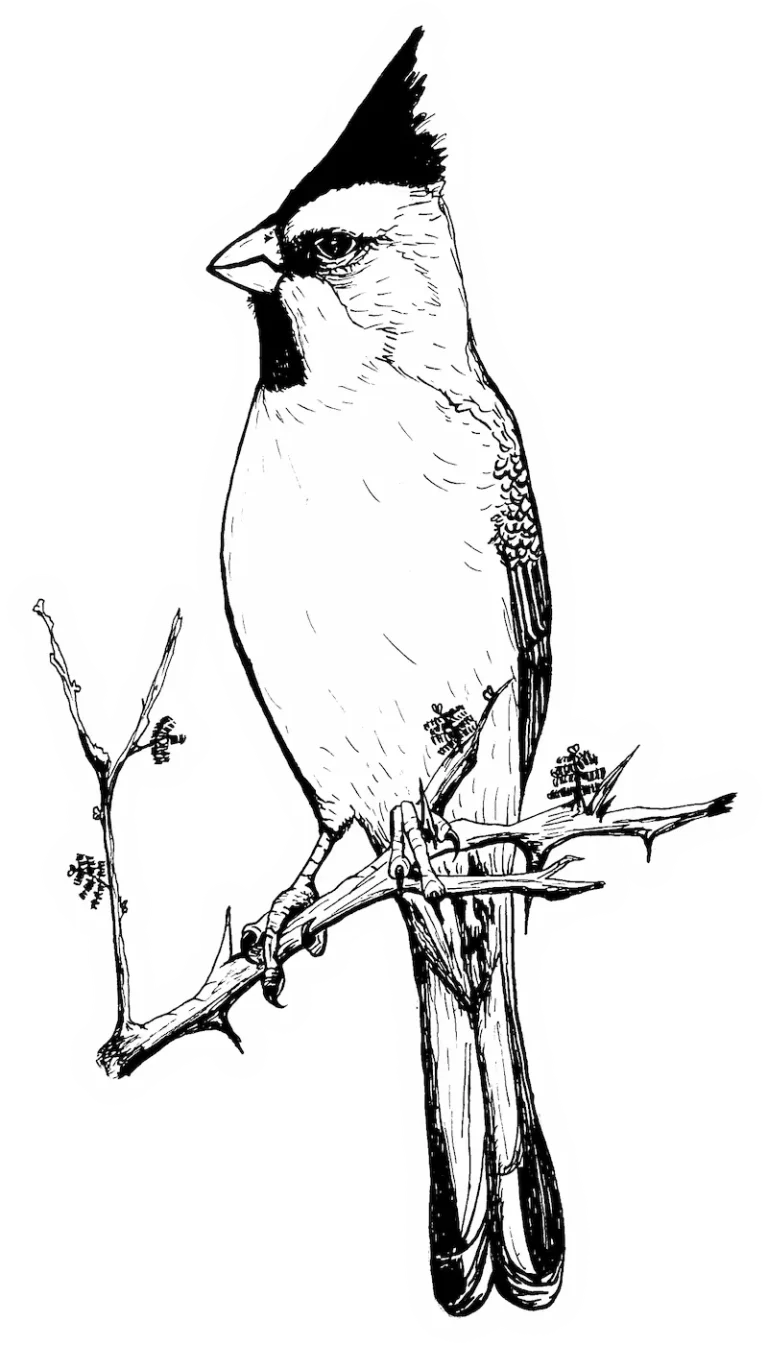
Environmental variability can promote changes in the functional diversity of communities by modifying abundances, removing species and favoring the arrival of species with traits better adapted to the new conditions. The Monte is an extensive desert region with marked climatic seasonality, so an important influence of the environmental spatial-temporal variability on the functioning of the communities is expected. To explore this idea, we used data of seed-eating bird assemblages and seed supply obtained in winter and summer for two years at three study sites in the Monte desert. We evaluated the structure of seed-eating bird assemblages expressed in the functional space through the analysis of morphological traits that describe ecological functions performed by birds. The functional richness and functional dispersion of the assemblages differed between sites but not between winter and summer seasons, and were negatively related to the supply of grass grains. We determined the importance of particular functional bird traits and the identity of the species on the patterns observed at the assemblage level, where the degree of functional specialization of the birds and the type of seeds had a preponderant role. Functional ecological analyses linked to granivory through different assemblages provide a conceptual framework that allows the identification of community responses to environmental variables such as productivity and resource supply.
Cita sugerida:
BLENDINGER, Pedro G.; BRANDOLIN, Pablo G. (2017) Spatial-temporal changes in functional diversity of seed-eating bird assemblages of the monte desert. XVII RAO 66 pp.
Reunión Argentina de Ornitología. Sitio Web https://rao.avesargentinas.org.ar/ (30/07/2026)
Derechos de autor:
Esta obra está bajo una licencia Creative Commons Atribución-NoComercial (CC BY-NC).