
Phylogeography and morphological evolution in a Neotropical Dry Forest bird (Phytotoma rutila: Cotingidae)
- Presentación Oral
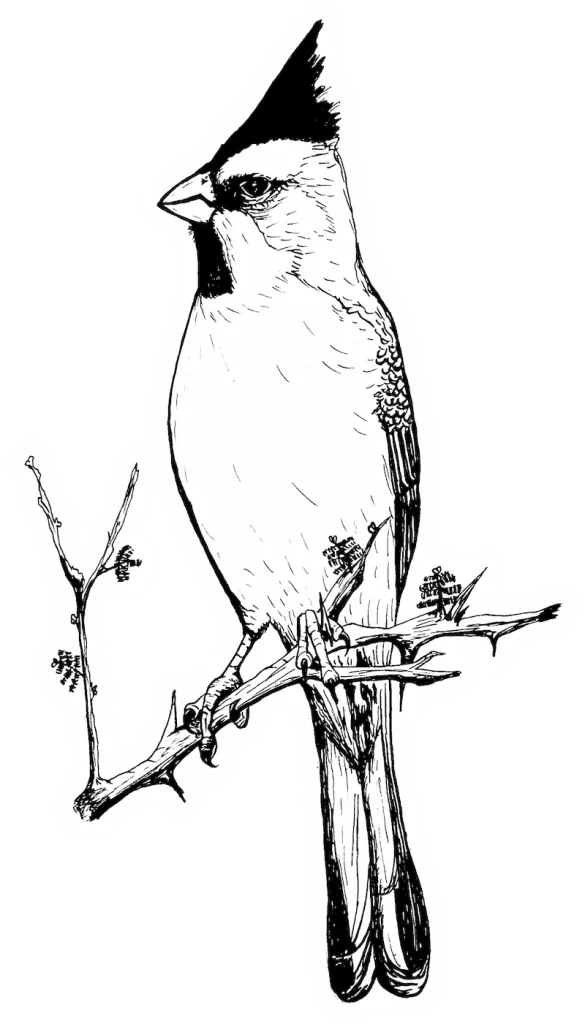
Phylogeography and morphological evolution in a Neotropical Dry Forest bird (Phytotoma rutila: Cotingidae)
- Presentación Oral
- Presentación Oral
Phylogeography and morphological evolution in a Neotropical Dry Forest bird (Phytotoma rutila: Cotingidae)
RODRÍGUEZ-CAJARVILLE, María J.; CALDERÓN, Luciano; TUBARO, Pablo L.; CABANNE, Gustavo S.
Museo Argentino de Ciencias Naturales «Bernardino Rivadavia»
mjrodriguezcg@gmail.com
The Andean mountain range has a complex and dynamic landscape, which could have impacted on biological evolution and sparked allopatric and parapatric diversification events. Allopatric diversification occurs between isolated populations, and parapatric diversification could occur with gene flow across environmental gradients, such as those occurring in the slopes of the Andes. Phytotoma rutila (Cotingidae) is a good model to study diversification across the Andean slopes because occurs from lowland Chaco (subepecies rutila) to highland dry forests (subspecies angustirostris). We addressed the morphological and genetic variation of P. rutila to study its evolutionary history and to evaluate if the two subspecies represents evolutionary independent lineages. We studied two nuclear genetic markers (VLDL and G3PDH) and one mitochondrial marker (CB) of 25 specimens of Argentina and Bolivia, collected from 0 to 3500 m of altitude. We also measured six morphological traits from museum specimens. The phylogeographic analyses showed that there is a moderate genetic structure between lowlands of Argentina and highlands of Bolivia (Fst= 0.49, p= 0.0002). Regarding morphology, all traits were positively associated with elevation. Particularly, wing and beak length presented the strongest association with altitude. The morphological and genetic analyses taken together indicate divergence along the elevation axis of the Andes, suggesting local adaptation of populations along environmental gradients, probably linked with temperature regimes or partial pressure of oxygen. Our study also indicates that both subspecies do not represent independent lineages because they seem to be part of continuous morphological cline and because they are not reciprocally monophyletic.
Cita sugerida:
- RODRÍGUEZ-CAJARVILLE, María J.; CALDERÓN, Luciano; TUBARO, Pablo L.; CABANNE, Gustavo S.
- (2017)
- Presentación Oral.
- XVII RAO
- (página 116 pdf)
Derechos de autor:
Esta obra está bajo una licencia Creative Commons Atribución-NoComercial (CC BY-NC).