
First record of the genetic variability of Neochen jubata (Anseriformes, Anatidae) in Brazil by mitochondrial DNA
- Presentación Póster
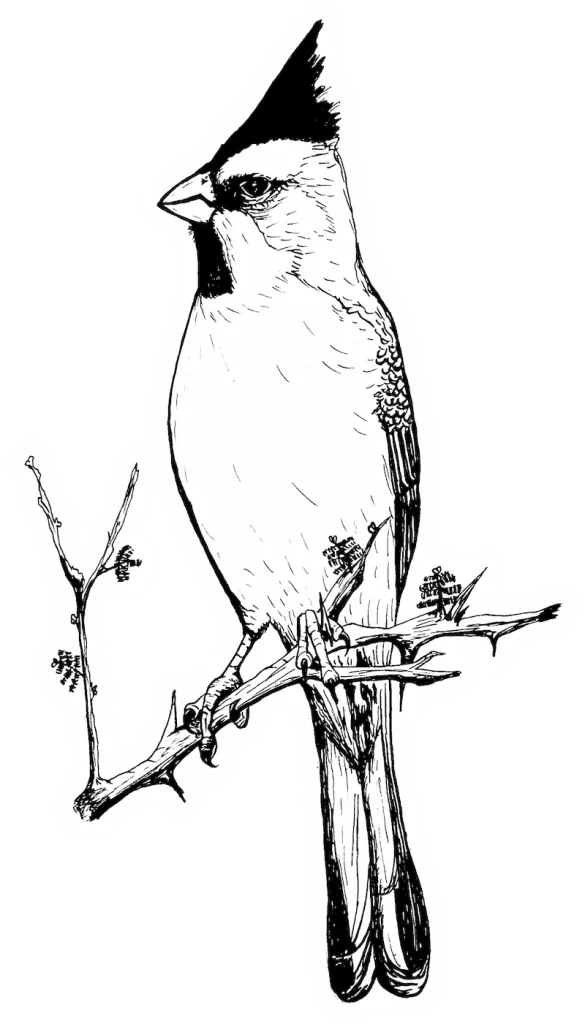
First record of the genetic variability of Neochen jubata (Anseriformes, Anatidae) in Brazil by mitochondrial DNA
- Presentación Póster
- Presentación Póster
First record of the genetic variability of Neochen jubata (Anseriformes, Anatidae) in Brazil by mitochondrial DNA
MORALES-CORRÊA E CASTRO, Adriana; PEREIRA, M. Cecília; THOMAZINI COELHO, Thaís; WERTHER, Karin
Departamento de Biologia Aplicada à Agropecuária, FCAV – UNESP, Jaboticabal, SP | Programa de Pós-Graduação em Biociências. IBILCE – UNESP, São José do Rio Preto, SP | Departamento de Patologia Veterinária. FCAV – UNESP, Jaboticabal, SP
dri_morales@fcav.unesp.br
The species Neochen jubata (Spix, 1825) (Anseriformes, Anatidae), popularly known as Orinoco-goose, is distributed from northern South America to northern Argentina, inhabits sandy beaches along medium and large rivers with ciliary vegetation well-developed, and is capable of performing long-distance migrations. According to the IUCN, there are populations of this species considered as «near threatened», whose population decline is associated with anthropic activities. Thus, the objective of this work was to evaluate the genetic diversity of the mitochondrial DNA control region (D-loop), of 29 individuals of the Neochen jubata species from the Instituto Chico Mendes de Conservação da Biodiversidade (RAN – ICMBio) of São Miguel do Araguaia, GO, representative of three population groups sampled during three years of collections (2010, 2013 e 2014). 650 base pairs were sequenced, but only two haplotypes are present in the sample. The analyzes showed a very low haplotypic diversity (Hd = 0.069), only eight segregating sites and overall genetic distance of 0.001. This shows that this population in Brazil is homogeneous in its variability, not showing significant genetic differences or population structure between the groups. These characteristics are related to high rate of inbreeding and low gene flow. These are extremely worrisome results, since it is a species considered «near threatened» and with indications of “possibly extinct” in some states of Brazil, so that in addition to the low population number it also exhibits a very low genetic variability, which is a serious issue of conservation concern.
Cita sugerida:
- MORALES-CORRÊA E CASTRO, Adriana; PEREIRA, M. Cecília; THOMAZINI COELHO, Thaís; WERTHER, Karin
- (2017)
- Presentación Póster.
- XVII RAO
- (página 232 pdf)
Derechos de autor:
Esta obra está bajo una licencia Creative Commons Atribución-NoComercial (CC BY-NC).