
Density decrease in restinga populations of the serra antwren (Formicivora serrana littoralis)
- Presentación Oral
- Presentación Oral
Density decrease in restinga populations of the serra antwren (Formicivora serrana littoralis)
CHAVES, Flávia G.; VECCHI, Maurício B.; VALE, Mariana M.; ALVES, Maria A.S.
Universidade do Estado do Rio de Janeiro
flaviagchaves@gmail.com
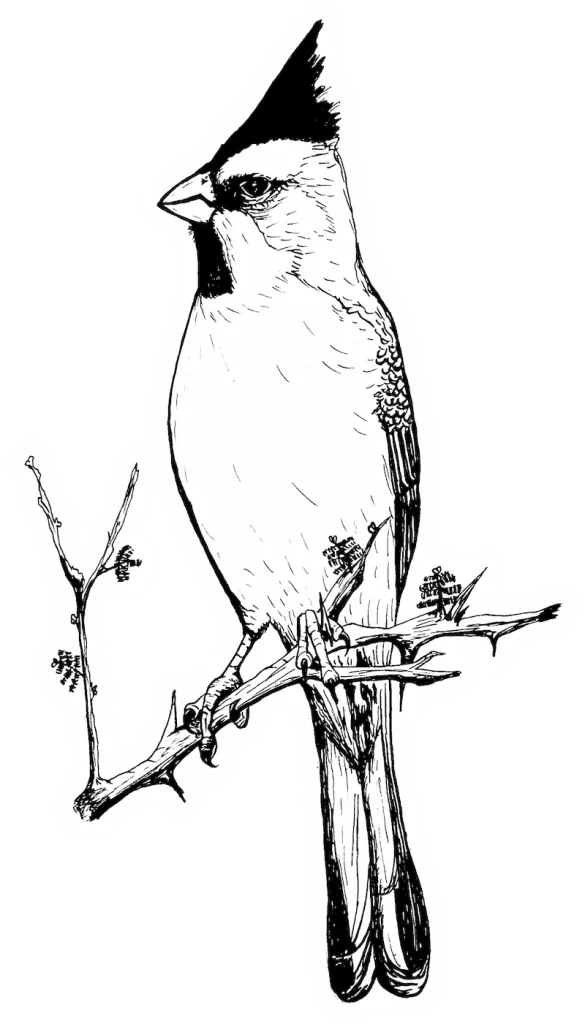
Habitat loss and introduced species are among the main threats to the survival of small-ranged species. The Serra Antwren is a bird endemic to the Atlantic Forest with populations inhabiting forest and restinga habitats. Here we estimate the density of the population of Formicivora serrana littoralis, which is regionally and nationally categorized as Vulnerable. In 2016, we estimated the density of this taxon in four restinga areas through ten point counts (200m apart each other) in each area and compared the results estimated with the same methodology and areas in a study of 2006. Additionally, we measured the restinga habitat cover in the study areas between the two years by measuring the vegetation area in a buffer with a 1km radius around the central point count using Google Earth Professional imagery. We used a paired t-test to compare densities, and Wilcoxon test for habitat cover. The Serra Antwren density decreased significantly (average 89.2ind/km2 in 2006 and 81.5ind/km2 in 2016; t paired test = 10.78; p = 0.001) by 8.7% in the last ten years in all areas monitored, although no significant difference in habitat cover was detected. Therefore, the population decline cannot be explained by habitat loss, as measured here. High predation rates may possibly be the cause behind that decline. A recent study monitoring nest predation with cameras trap revealed exotic and invasive marmosets (Callithrix spp.) as the main predators of the Serra Antwren in restinga.
Cita sugerida:
- CHAVES, Flávia G.; VECCHI, Maurício B.; VALE, Mariana M.; ALVES, Maria A.S.
- (2017)
- Presentación Oral.
- XVII RAO
- (página 72 pdf)
Derechos de autor:
Esta obra está bajo una licencia Creative Commons Atribución-NoComercial (CC BY-NC).