
Delayed plumage maturation explains differences in reproductive output in Saffron Finches
- Presentación Póster
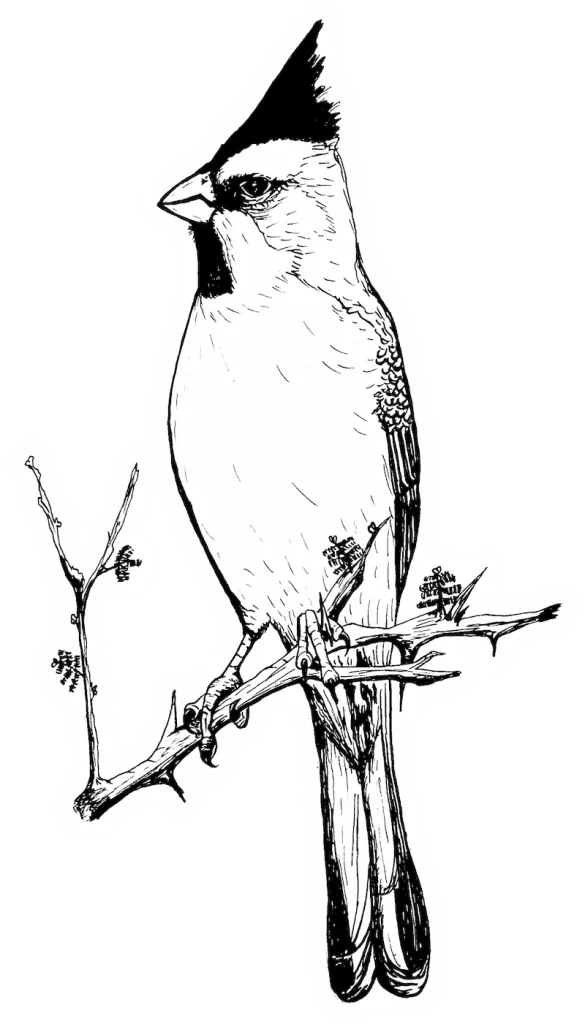
Delayed plumage maturation explains differences in reproductive output in Saffron Finches
- Presentación Póster
- Presentación Póster
Delayed plumage maturation explains differences in reproductive output in Saffron Finches
MARQUES-SANTOS, Fernando; WISCHHOFF, Uschi; ROPER, James J.; RODRIGUES, Marcos
Programa de Pós Graduação em Ecologia, Conservação e Manejo da Vida Silvestre, Universidade Federal de Minas Gerais | Programa de Pós Graduação em Ecologia e Conservação, Universidade Federal do Paraná | Laboratório de Ornitologia, Departamento de Zoologia, Universidade Federal de Minas Gerais
rao@avesargentinas.org.ar
The paradigm of the life history of birds states that temperate birds have a faster pace of life than tropical birds. However, in South America, paces of life do not exhibit a latitudinal gradient, and high local variability across species is common. This variability also occurs within populations, as is the case with the Saffron Finch Sicalis flaveola. This finch has broad variation in clutch size (2-6 eggs) and nests per year (1-4). It is widely distributed and readily breeds in nest-boxes. These attributes make this bird a good model to learn common mechanisms driving life history variation in South America. However, before exploring hypotheses applicable to other species, we must clarify mechanisms responsible for a fraction of the life-history variation particular to this species. We asked if plumage color is a proxy of individual quality, and whether it explains some of the variation in breeding investment. We measured plumage colors and monitored nests from 2012 to 2016 in subtropical Brazil. Assortative mating occurs based on color. Colorful males have better feather and body condition, while colorful females are fatter and own better territories. Colorful parents invest more in reproduction and fledge more offspring than dull parents. Female color predicts breeding investment better than male color. Earlier studies indicate that color signal status among individuals. Therefore, some of the breeding variation is explained by plumage color, which in turn signals differences in individual quality. In the future, we will analyze the remaining variation in the context of phenotypic plasticity and weather variation.
Cita sugerida:
- MARQUES-SANTOS, Fernando; WISCHHOFF, Uschi; ROPER, James J.; RODRIGUES, Marcos
- (2017)
- Presentación Póster.
- XVII RAO
- (página 219 pdf)
Derechos de autor:
Esta obra está bajo una licencia Creative Commons Atribución-NoComercial (CC BY-NC).