
A habitat model to aid the conservation of Red-cockaded Woodpeckers in the swamps of North Carolina
- Presentación Póster
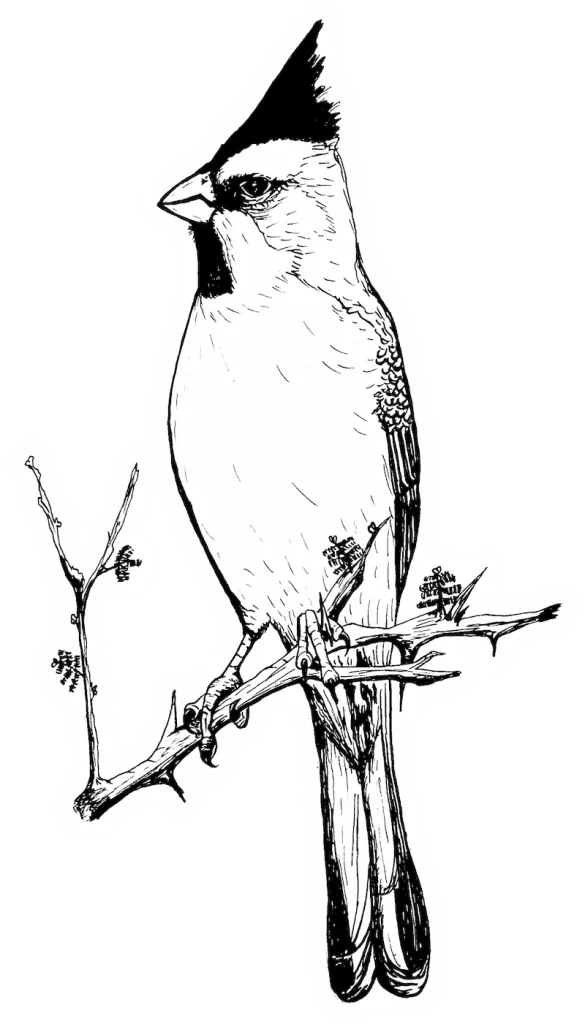
A habitat model to aid the conservation of Red-cockaded Woodpeckers in the swamps of North Carolina
- Presentación Póster
- Presentación Póster
A habitat model to aid the conservation of Red-cockaded Woodpeckers in the swamps of North Carolina
SMITH, Jennifer; WALTERS, Jeffrey
Virginia Polytechnic Institute & State Univeristy
jensmith@vt.edu
Current management plans for endangered Red-cockaded Woodpeckers (Picoides borealis; RCW) focus on habitat selection of RCWs in open, fire-maintained, mature pine forests that they inhabit across much of their range in the southeastern United States. Thus, existing habitat management guidelines do not consider RCWs living in disparate habitat in northeastern North Carolina characterized by swamp forests with a dense mid-story. Here, little is known about habitat selection or distribution of RCWs. Given that RCWs in the area constitute a unique ecological component of RCW diversity, a better understanding of the habitat requirements and distribution of this population is needed for conservation purposes. In this study, we used logistic regression to model habitat selection of RCWs in northeastern North Carolina. We modeled habitat selection at three spatial scales that reflected potential home range sizes and considered five land cover types; low-, medium-, and high-density pine woodland, open land, and pine plantation. We also considered the number of RCW clusters within the dispersal distance of adult and juvenile females (3 km and 6 km, respectively) from each site. Our results suggest that sites used by RCWs had a lower proportion of pine plantation and a higher number of clusters within 3 km compared to unused sites, but that density of pine did not influence habitat selection. By integrating our model into a Geographic Information System, we demonstrate that our model can be used to predict the distribution of RCWs remotely, and thus identify sites for targeted management.
Cita sugerida:
- SMITH, Jennifer; WALTERS, Jeffrey
- (2017)
- Presentación Póster.
- XVII RAO
- (página 172 pdf)
Derechos de autor:
Esta obra está bajo una licencia Creative Commons Atribución-NoComercial (CC BY-NC).