
Testing the effectiveness of predator control for a critically endangered forest passerine of New Zealand
- Presentación Oral
Testing the effectiveness of predator control for a critically endangered forest passerine of New Zealand
- Presentación Oral
- Presentación Oral
Testing the effectiveness of predator control for a critically endangered forest passerine of New Zealand
CUNNINGHAME, Francesca
Department of Conservation, Lower Stuart Street. Dunedin, New Zealand
frannytaan@hotmail.com
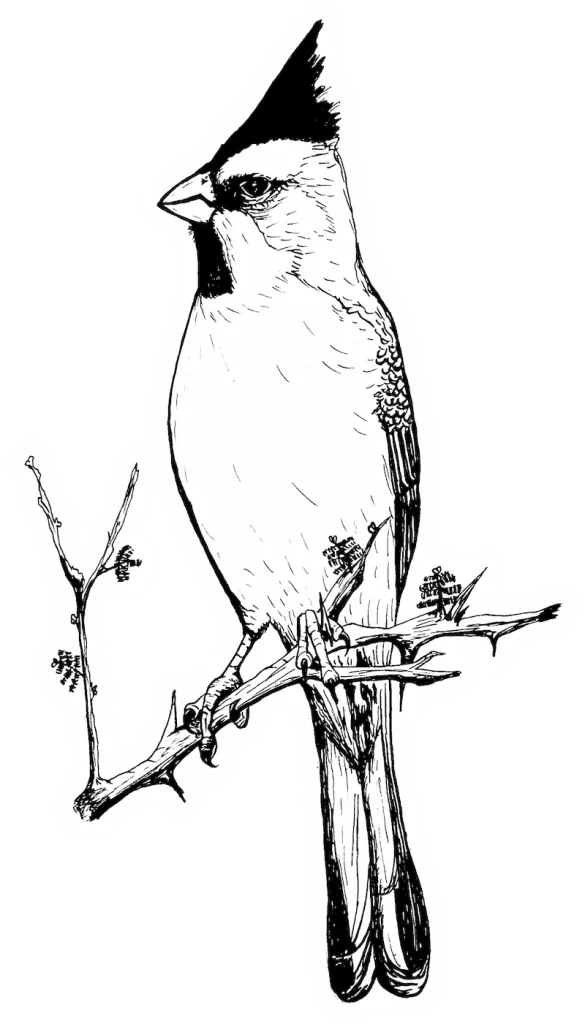
New Zealand’s endemic birds are still threatened by introduced mammalian predators on the mainland. Mohua (Mohoua ochrocephala), a small hole nesting passerine, now greatly reduced in range, is extremely vulnerable to predation due to its nesting habits. For several years large scale predator control has been conducted against rats (Rattus rattus, R. norwegicus) and stoats (Mustela erminia). Such predator control operations are expensive to run and require large numbers of staff. However essential factors such as the ideal timing and intensity of baiting in addition to the effectiveness of operations, are often unknown. For the last two breeding seasons Mohua nesting success has been monitored, using poison and non-poison control areas, to ascertain the effectiveness of poisoning operations. Results gained from two sites show that extensive use of poison bait stations greatly increase the chances of Mohua successfully fledging chicks. Over 90% of nests within poison areas were successful, whereas less than 50% of nests in non-poison areas were successful. This highlights that further predator control is necessary for the conservation of this species on mainland New Zealand.
Cita sugerida:
- CUNNINGHAME, Francesca
- (2008)
- Presentación Oral.
- XII RAO
- (página 134 pdf)
Derechos de autor:
Esta obra está bajo una licencia Creative Commons Atribución-NoComercial (CC BY-NC).