
- XVII RAO
- Presentación Póster
Analysis of chromosome polimorfisms in Zonotrichia capensis trough chromosome painting
BÜLAU, Sandra E.; KRETSCHEMER, Rafael; CORREA DE OLIVEIRA, Edivaldo H.; OCHOTORENA DE FREITAS, Thales R.
Programa de Pós-graduação em Genética e Biologia Molecular, PPGBM, Universidade Federal do Rio Grande do Sul, Porto Alegre, RS, Brasil | Instituto de Ciências Exatas e Naturais, Universidade Federal do Pará, Belém-PA, Brasil; Laboratório de Cultura de Tecidos e Citogenética, SAMAM, Instituto Evandro Chagas, Ananindeua-PA, Brasil
sbulau@yahoo.com.br
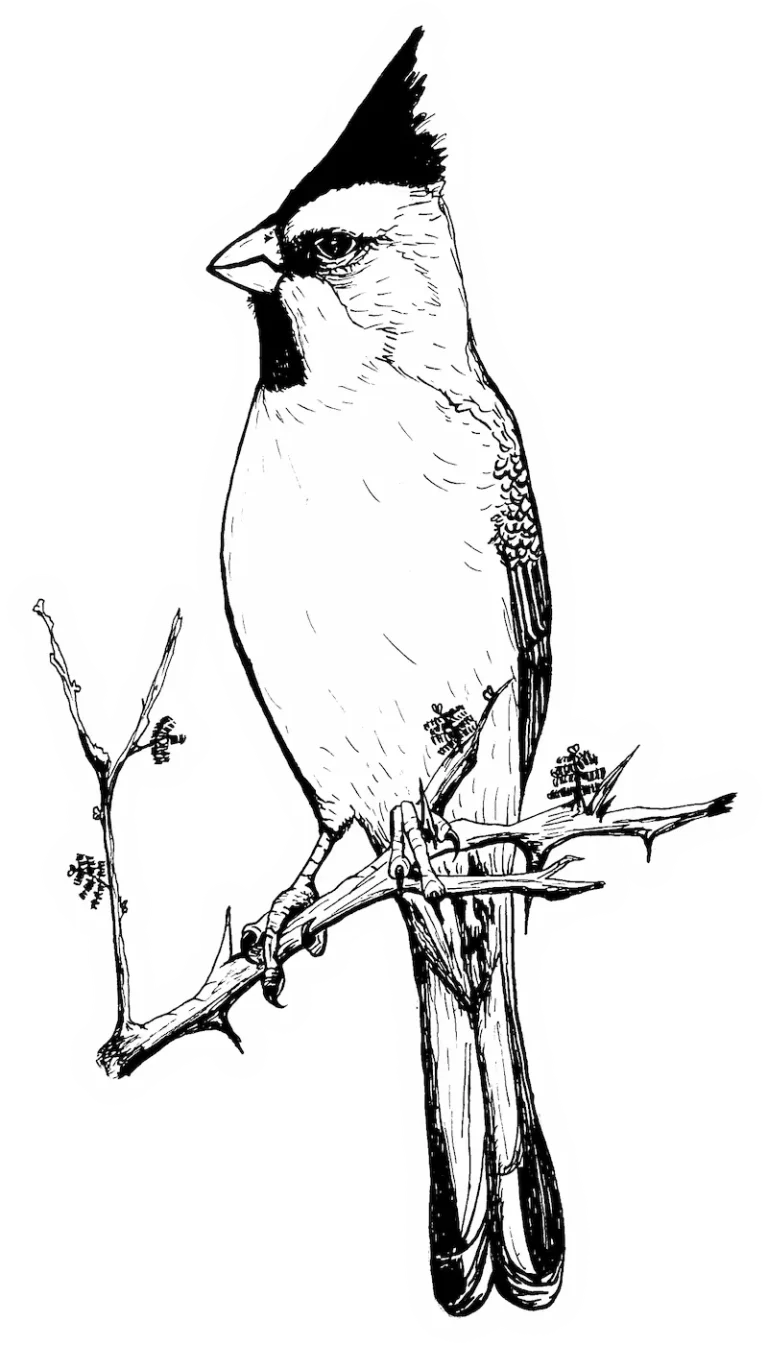
The tico-tico (Zonotrichia capensis) is an inhabitant of open landscapes, with wide distribution in the Neotropics. Cytogenetic studies have demonstrated the presence of 80 chromosomes and the occurrence of polymorphisms involving two and four autosomal pairs. These polymorphisms are probably due to pericentric inversions. Molecular techniques as fluorescence in situ hybridization allow a better characterization of the karyotype, as well as the identification and interpretation of chromosomal rearrangements. Therefore, this work aimed to characterize the Z. capensis chromosomes, using classical cytogenetic techniques and comparative chromosome painting with Gallus gallus (GGA) probes. To detect the location of the ribosomal RNA genes, we applied the 18S probe. Metaphasic chromosomes were obtained by culture of fibroblasts from Z. capensis skin biopsies of four individuals. Application of the 18S rDNA probe demonstrated that ribosomal genes are located in one pair of micro chromosomes as in G. gallus and most basal bird species. Through classical cytogenetic, we confirmed the presence of four of chromosomic polymorphisms reported in the second and fourth autosomic pairs. The comparative chromosome painting indicated that the second pair of ZCA corresponds to GGA1q and that the fourth pair of ZCA corresponds to GGA4q. In addition, we observed the synteny corresponding of chromosomes GGA2, 3, 5-10. The use of the GGA probes did not allow the identification of the mechanism that led to the appearance of polymorphisms. Therefore, the next step will be the use of Leucopternis albicollis probes, which are more effective in detecting intracromosomal rearrangements.
Cita sugerida:
BÜLAU, Sandra E.; KRETSCHEMER, Rafael; CORREA DE OLIVEIRA, Edivaldo H.; OCHOTORENA DE FREITAS, Thales R. (2017) Analysis of chromosome polimorfisms in Zonotrichia capensis trough chromosome painting. XVII RAO 229 pp.
Reunión Argentina de Ornitología. Sitio Web https://rao.avesargentinas.org.ar/ (23/09/2026)
Derechos de autor:
Esta obra está bajo una licencia Creative Commons Atribución-NoComercial (CC BY-NC).