
- XVII RAO
- Presentación Oral
Social networks, social classes and social strategies in Florida Scrub-Jay (Aphelocoma coerulescens)
TRINGALI, Angela; SHERER, David; PONTOW, Jessica; COSGROVE, Jillian; BOWMAN, Reed
Archbold Biological Station
atringali@archbold-station.org
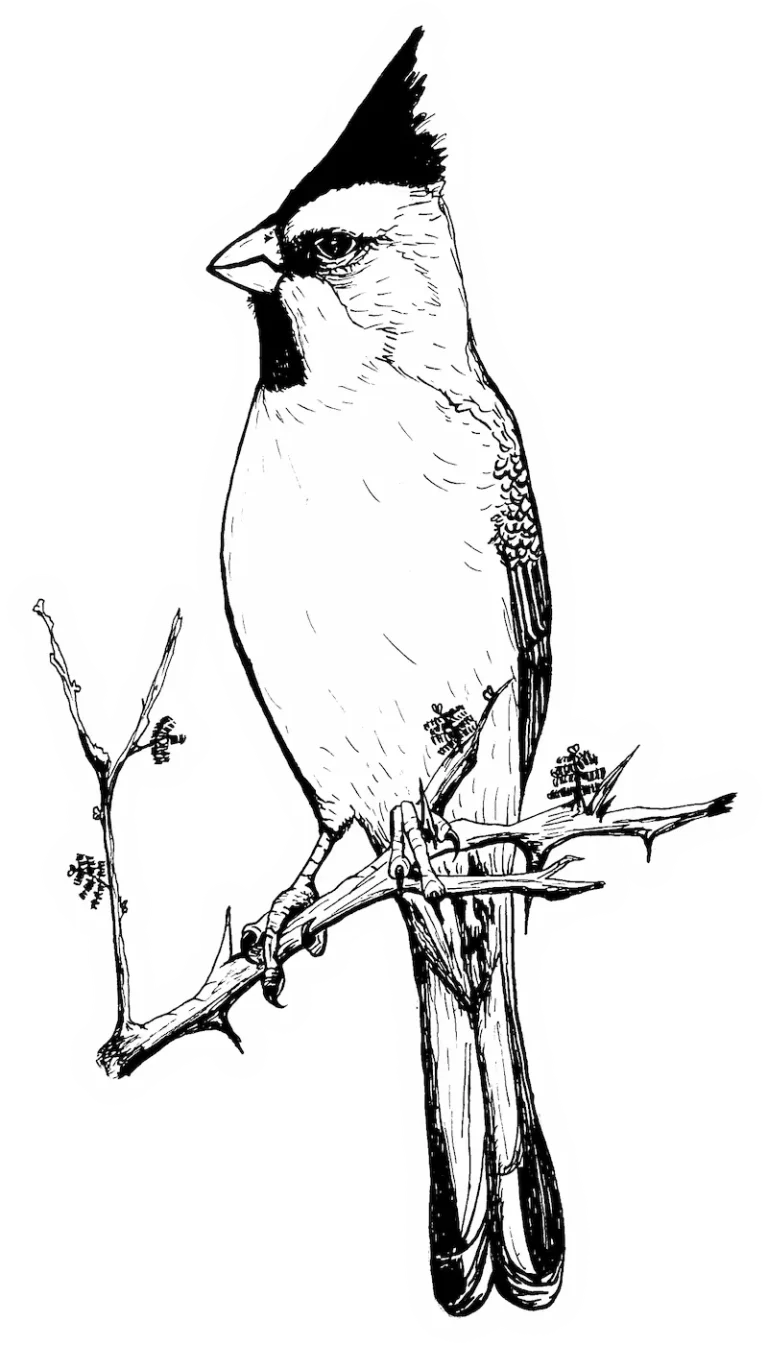
Social status affects and is affected by social behavior. The objectives of this study were to (1) describe differences in social behavior based on social class and (2) examine the consequences of social behavior in one year on the next year’s social class. We conducted this study on a population of Florida Scrub-Jays (Aphelocoma coerulescens) at Archbold Biological Station. These corvids are despotic cooperatively breeding birds, where the social pair monopolizes all reproductive effort. From February – April in 2015-2017 we surveyed jays at points stratified across all territories using playback of territorial calls. The identities of all birds present at survey points were recorded. Additionally, we recorded opportunistic observations of aggregations. From these data we constructed adjacency matrices for each year. We used R package igraph to create a social network and calculate metrics to describe individuals’ social behaviors in each year. Helpers scored higher than breeders in all measures of centrality, indicating that they have the most social connections, connect groups that would not otherwise be connected, and tend to interact with other well connected individuals. Birds that were helpers in 2015 and first bred in 2016 had higher centrality measures than those that did not become breeders in 2016. However from 2016 to 2017 the pattern was opposite; helpers in 2016 that became breeders in 2017 had lower centrality measures than those that did not become breeders. These results indicate that helpers with different social networking strategies differ in their probability of breeding the next year. However, these strategies have different payoffs in different years, likely due to yearly differences in demography. By combining individual and population level demographic details we better understand the benefits of various social strategies.
Cita sugerida:
TRINGALI, Angela; SHERER, David; PONTOW, Jessica; COSGROVE, Jillian; BOWMAN, Reed (2017) Social networks, social classes and social strategies in Florida Scrub-Jay (Aphelocoma coerulescens). XVII RAO 125 pp.
Reunión Argentina de Ornitología. Sitio Web https://rao.avesargentinas.org.ar/ (21/09/2026)
Derechos de autor:
Esta obra está bajo una licencia Creative Commons Atribución-NoComercial (CC BY-NC).