- XVII RAO
- Presentación Oral
Phylogeography of Phacellodomus rufifrons, with implications for South American Dry Forest biogeography
CORBETT CALLAHAN, Eamon; BRAVO, Gustavo A.; NAKA, Luciano N.; SCHUNCK, Fabio; EDWARDS, Scott V.
Harvard University | Universidade Federal de Pernambuco | Universidade de Sao Paulo
eamonccorbett@gmail.com
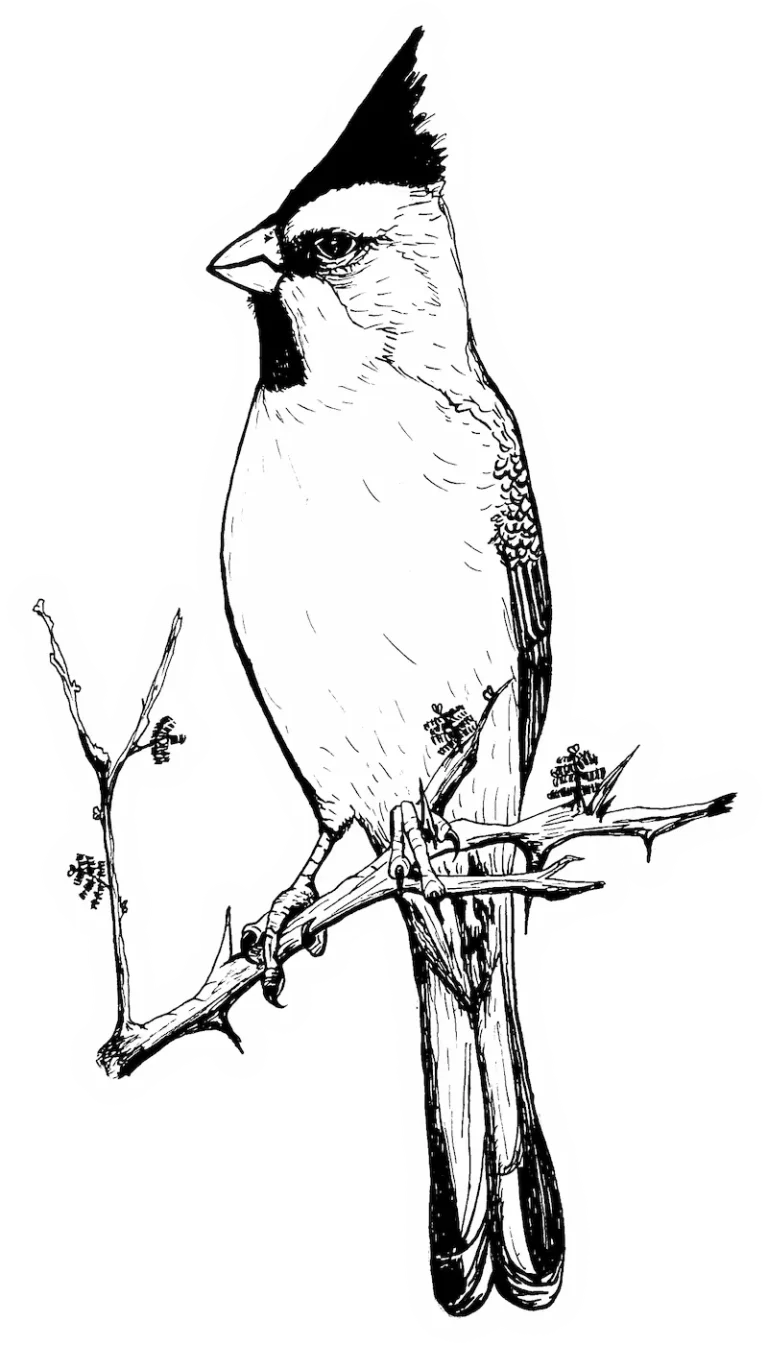
The Seasonally Dry Tropical Forest (SDTF) is a unique biome that is characterized by relatively low annual rainfall with strong seasonal droughts. In South America, this biome occurs in disjunct patches that arc around the Amazon, from the coastal regions of Colombia and Venezuela to the Caatinga of northeastern Brazil. A model proposed to explain this unusual distribution pattern is known as the Pleistocene Arc Hypothesis, and suggests that the present-day extent of the SDTF, particularly in the Southern portion of the continent, is a remnant of a wider “arc” of dry forest habitat that existed during cooler and drier periods of the Pleistocene. This study examines the phylogeography of the Rufous-fronted Thornbird (Phacellodomus rufifrons), a common furnariid bird found throughout South American in non-contiguous regions of SDTF, to test whether its evolutionary and biogeography history is consistent with the Pleistocene Arc Hypothesis. Mitochondrial DNA analysis revealed very low levels of differentiation between populations along the proposed arc. Species distribution models projected to the mid-Holocene and Last Glacial Maximum suggested that there was previously greater connectivity between currently disjunct populations of P. rufifrons. These results are in accordance with the predictions of the Pleistocene Arc Hypothesis, and suggest that the current distribution and genetic structure of the species is due to climate-induced vicariance within the past 25,000 years. Additionally, the northern populations of this species were found to be genetically divergent from those in the south, lending credence to the idea that those populations may represent a distinct species.
Cita sugerida:
CORBETT CALLAHAN, Eamon; BRAVO, Gustavo A.; NAKA, Luciano N.; SCHUNCK, Fabio; EDWARDS, Scott V. (2017) Phylogeography of Phacellodomus rufifrons, with implications for South American Dry Forest biogeography. XVII RAO 114 pp.
Reunión Argentina de Ornitología. Sitio Web https://rao.avesargentinas.org.ar/ (28/07/2026)
Derechos de autor:
Esta obra está bajo una licencia Creative Commons Atribución-NoComercial (CC BY-NC).