- XVII RAO
- Presentación Oral
Morphometric similarities between plumage forms of Sicalis flaveola braziliensis (Gmelin, 1789)
FIALHO FOLTRAN, Flávia S.; COSTA VIANA, Fábio J.; CAPARROZ, Renato; NARDOTO BIELEFELD, Gabriela
UNB, Brazil
flaviafialho@unb.br
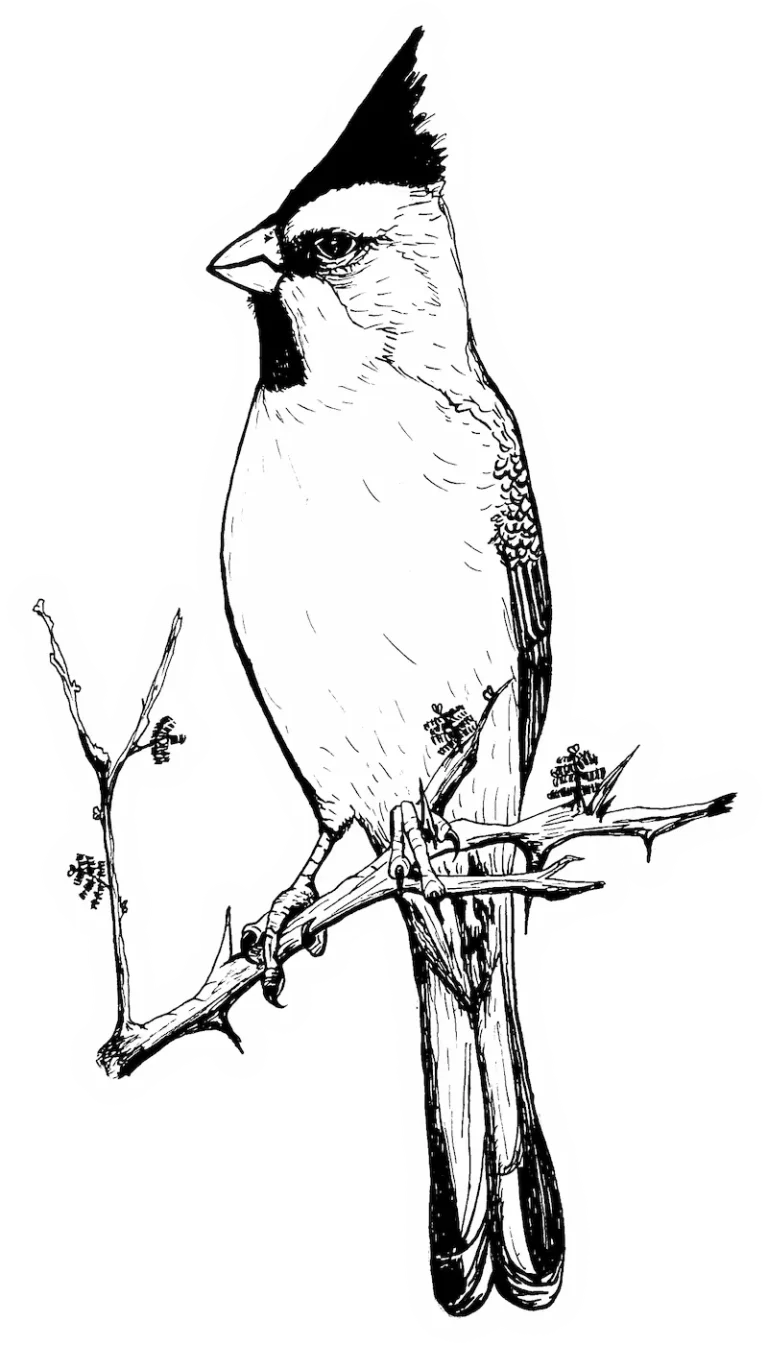
Sicalis flaveola brasiliensis, abundant in the central region of Brazil, has three forms of plumage, one less evident (cryptic) common in young, and a female and a male yellowish. It is not known whether all females acquire yellow plumage in adulthood. The male acquires the yellow plumage only after its first breeding season. Cryptic plumage could be related to different nutritional requirements (such as lower requirement of carotenoid substances) and ecological differences (eg. microhabitat exploitation) compared to the conspicuous one. This could reflect on different adaptations in the feathers responsible for the flight. We measured the length of different feathers (primary wing – P1, P5 and P10 and retreats – R2 and R5) of individuals with cryptic (n = 31) and yellow plumage (females and males together, n = 7) from the town in Fazenda Tabapuã dos Pirineus, Cocalzinho-GO. Principal component analyzes and covariance found little difference between the two groups (F (1.37) = 0.38, P = 0.54, for P10), which does not support ecological differences between them based on the parameters evaluated. These results suggest that the first flight plumage acquired by young adults is similar in size to adults. Alternatively, in the uncertainty of the correct age assessment of cryptic individuals, it is possible to speculate about the existence of pedomorphosis phenomenon, in which young plumage would be retained throughout adult life, as already observed in species of close phylogenetic groups Tiaris obscurus and Sporophila spp.
Cita sugerida:
FIALHO FOLTRAN, Flávia S.; COSTA VIANA, Fábio J.; CAPARROZ, Renato; NARDOTO BIELEFELD, Gabriela (2017) Morphometric similarities between plumage forms of Sicalis flaveola braziliensis (Gmelin, 1789). XVII RAO 106 pp.
Reunión Argentina de Ornitología. Sitio Web https://rao.avesargentinas.org.ar/ (28/07/2026)
Derechos de autor:
Esta obra está bajo una licencia Creative Commons Atribución-NoComercial (CC BY-NC).