- XVII RAO
- Presentación Oral
Redline: consumption of biodiversity through illegal trade in wild birds
LEANDRO-SILVA, Victor; LINS DE SOUZA, Jonathas
Universidade Federal Rural de Pernambuco and Observadores de Aves de Pernambuco | Postgraduate Program in Ecology – Universidade Federal Rural de Pernambuco and Observadores de Aves de Pernambuco
leo.silva.vls@gmail.com
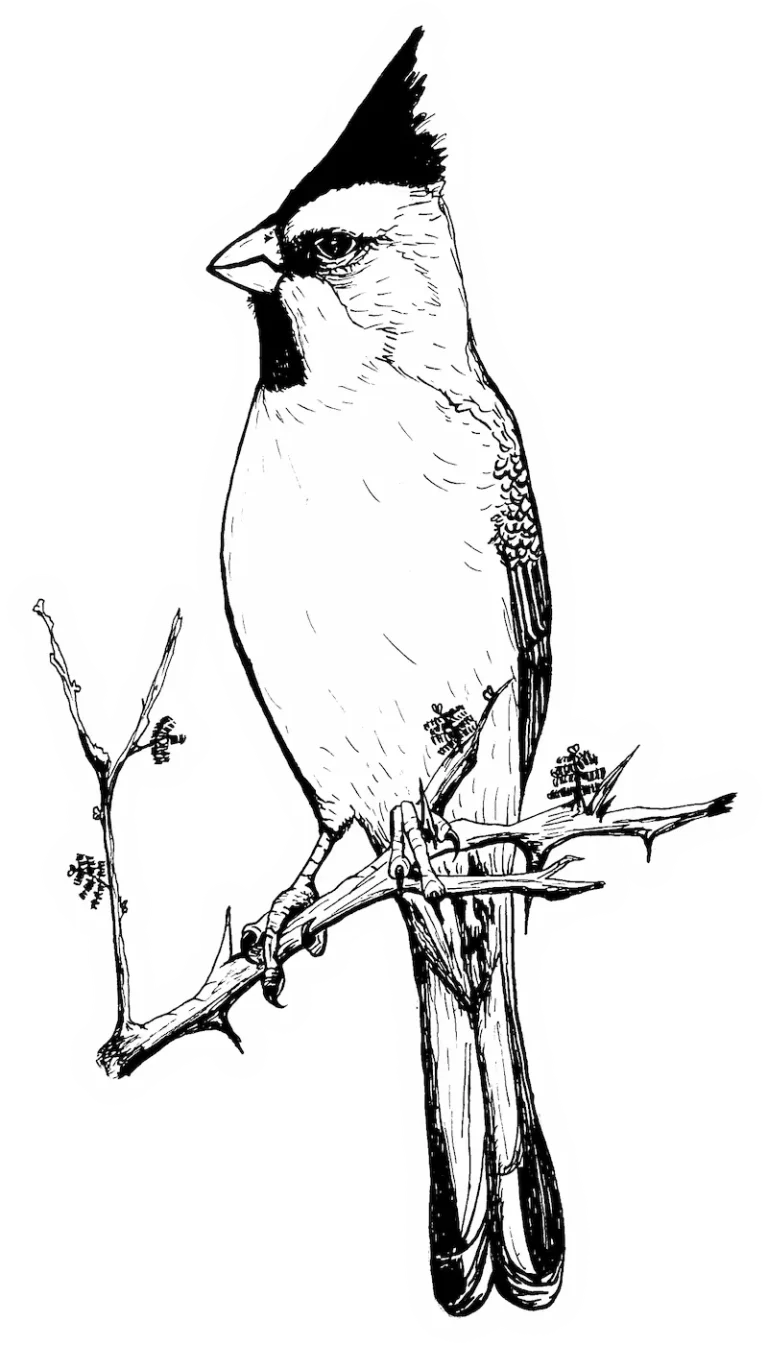
Traffic of wild animals is an ancient practice in Brazil. The objective of this study was to understand the species trafficked, to characterize the illegal trade, to associate the contribution of traffic to the risk of extinction and to trace possible routes of traffic in Brazil. The study was conducted in the metropolitan region of Recife (MRR), Pernambuco, Brazil. There was n=37 visits in seven illegal trade areas in the MRR, each visit lasted one hour, where was note the species and quantities of them, as well as questions to the merchants. It was asked the price of the species and origin of the birds. Was found 93 species belonging to 19 families, four species not found in previous studies in the MRR, 12 of them are at some level of threat. More than 22.000 birds were registered in this study. Prices range from R$3.00 to R$1,200.00, a financial transaction estimated at R$20,000.00 per day of illegal trade. Bahia is the most cited place as the origins of birds, including species that do not have their geographical distribution in the state, leading to hypothesis that the state is the center of distribution of traffic in the region. Paroaria dominicaca and Sporophila nigricollis were the most frequent and abundant species. It was found that there is no direct relation between value and rarity of birds, other characteristics are considered, such as singing. In singing species, the region of origin has an influence on price, due to vocal variation.
Cita sugerida:
LEANDRO-SILVA, Victor; LINS DE SOUZA, Jonathas (2017) Redline: consumption of biodiversity through illegal trade in wild birds. XVII RAO 72 pp.
Reunión Argentina de Ornitología. Sitio Web https://rao.avesargentinas.org.ar/ (28/07/2026)
Derechos de autor:
Esta obra está bajo una licencia Creative Commons Atribución-NoComercial (CC BY-NC).