- XVII RAO
- Presentación Oral
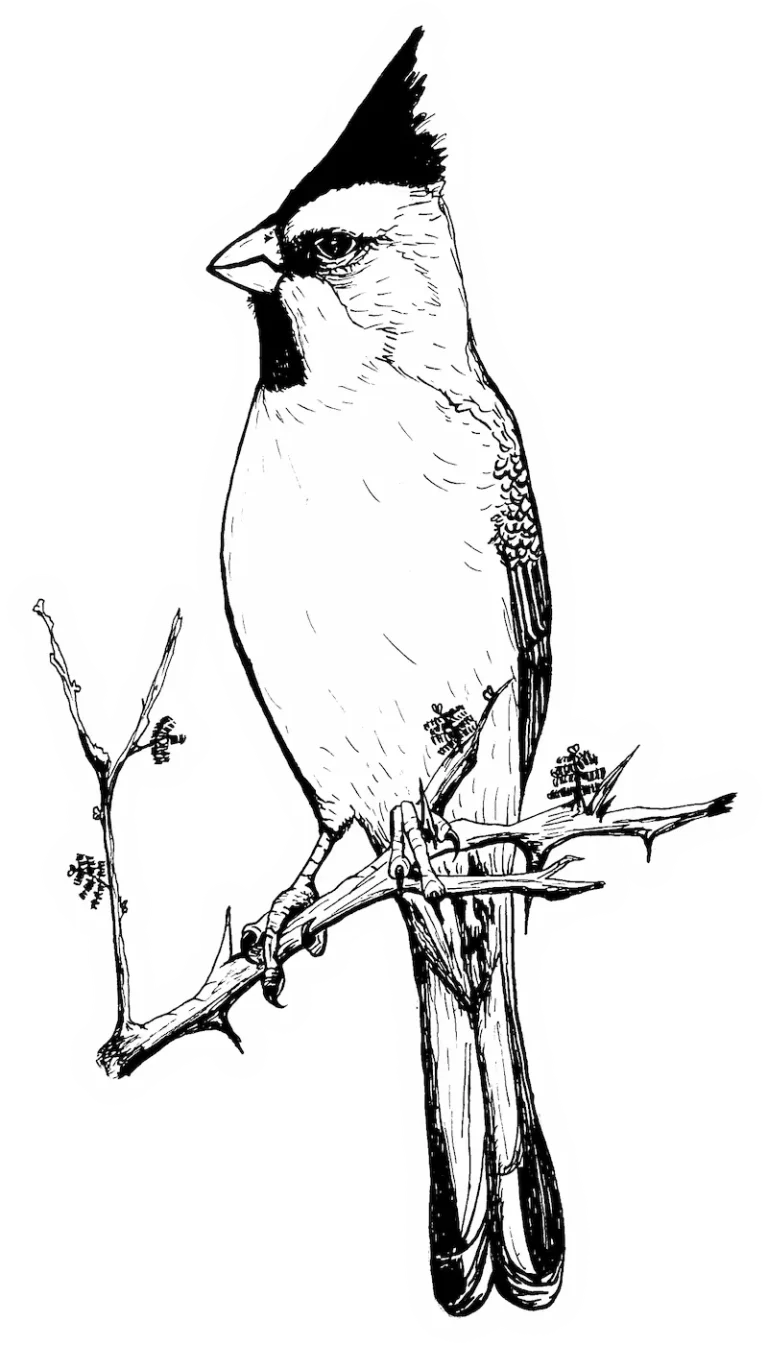
Breeding biology of the Saffron-cowled Blackbird (Xanthopsar flavus) in Argentina and perspectives for intensive management of colonies
PUCHETA, Maria F.; PEREDA, Maria I.; DI GIACOMO, Adrian S.
Departamento de Conservación, Aves Argentinas/Birdlife Argentina, Buenos Aires, Argentina | Laboratorio de Biología de la Conservación, Centro de Ecología Aplicada del Litoral (CECOAL, CONICET-UNNE), Corrientes, Argentina
pucheta.mf@gmail.com
The Saffron-cowled Blackbird is a vulnerable species endemic to the temperate grasslands of southern South America. The objective of this study was to deepen the knowledge on the basic reproductive parameters of the two populations left in Argentina in order to contribute to its conservation. In the breeding seasons of 2015 and 2016, we studied 102 active nests distributed in 15 colonies in the provinces of Entre Ríos (ER) and Corrientes (CO). The breeding season extended from October to February. The colony average size was 7-10 nest, and the clutch size was 3.78±0.99 and 3.37±0.68, in ER and CO respectively. The incubation period was of 13 days, and the nestlings period was 10 days. Hatching success was 0.91±0.14 (n=3) and 0.82±0.23 (n=14) in each year in ER, and 0.93±0.15 (n=5) and 0.89±0.17 (n=16) in each year in CO. The reproductive success (successful nests/ total nests) was 5% and 26% in each year in ER, and 0% for each year in CO. Brood parasitism of Molothrus bonariensis was recorded in 63% of nests in 2015 and 20% in 2016. Predation was the main cause of nest failure (62%). We tested some intensive management techniques to protect nests from parasitism (chicks removal) and predators (exclusion of nests) in 37 nests, and organized a crew of “colony guardians” to protect each colony from poaching and other threats (agrochemicals, fire, agricultural machinery). Differences between current and previous reproductive parameters are discussed, as well as the differences between populations and the management practices.
Cita sugerida:
PUCHETA, Maria F.; PEREDA, Maria I.; DI GIACOMO, Adrian S. (2017) Breeding biology of the Saffron-cowled Blackbird (Xanthopsar flavus) in Argentina and perspectives for intensive management of colonies. XVII RAO 61 pp.
Reunión Argentina de Ornitología. Sitio Web https://rao.avesargentinas.org.ar/ (27/07/2026)
Derechos de autor:
Esta obra está bajo una licencia Creative Commons Atribución-NoComercial (CC BY-NC).